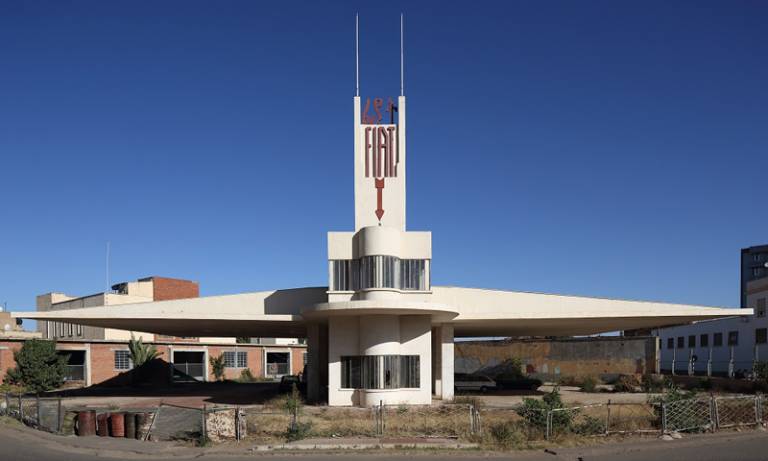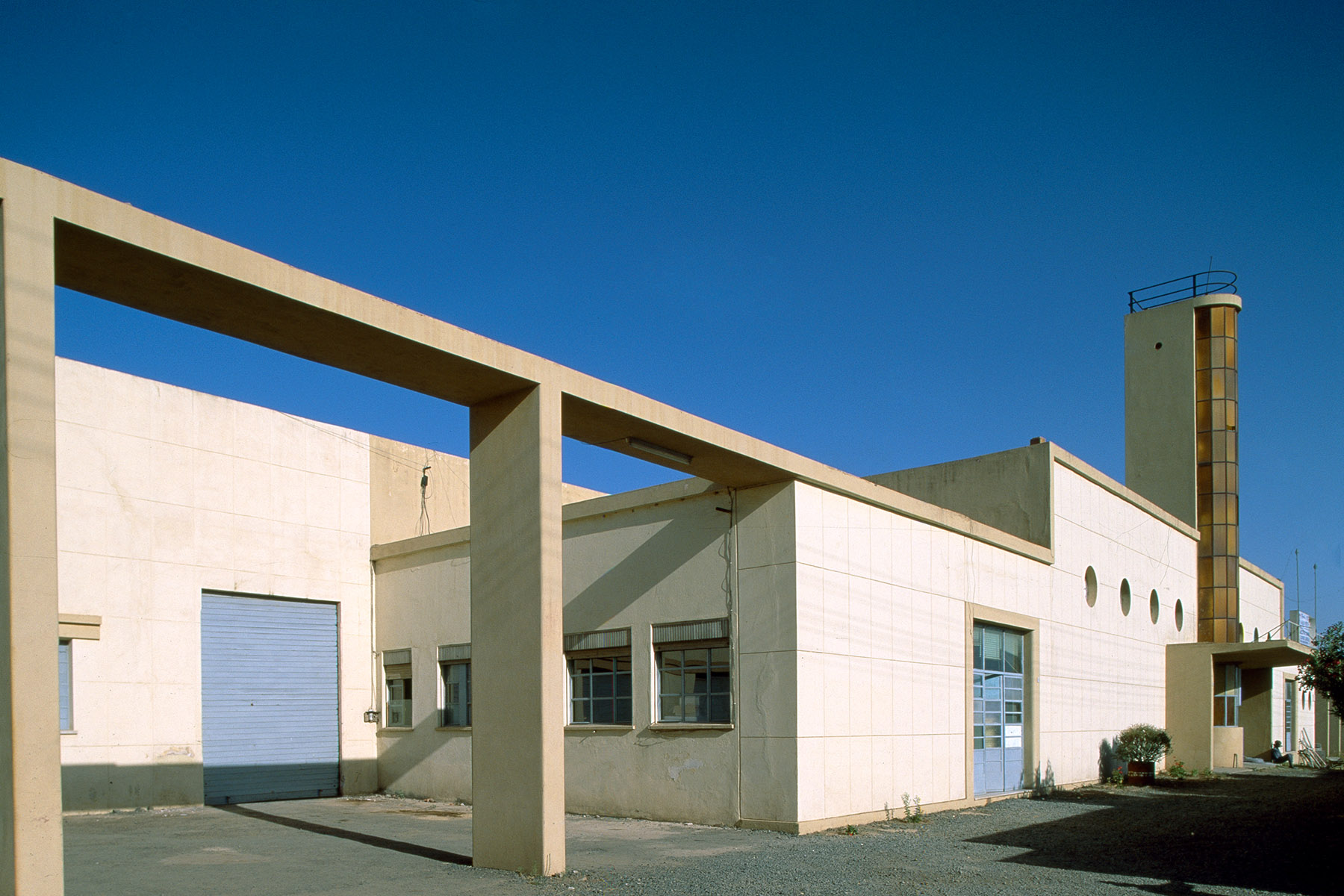
Modern heritage remains vital to our present and future and yet is unevenly researched, appreciated and protected around the planet. Nowhere is this more conspicuous than in Africa, where there remains a serious oversight of the legacies (positive, negative, tangible or intangible) of modernity that transformed the continent over past centuries, and which remain deeply entwined in the challenges it faces in the future.
However, the concept of modern heritage remains contested across different territories and disciplines. How might we galvanise efforts to conceptualise modern heritage so that it more equitably reflects the experiences of modernity globally, encouraging greater appreciation at all scales, from local communities to higher rates of inscription on the UNESCO World Heritage List? This demands a reframing of modern heritage from being cast as ‘sites, groups of building, or monuments’ confined to the 20th century and national contexts to being treated instead as part of complex systems and rural and urban landscapes1 born out of longstanding cultural, historical, local and global interconnections.
The purpose of this multi-disciplinary Expert Meeting is to build on the momentum of the decolonisation agenda and to provide a platform for debate among academics and practitioners on the meaning of ‘Modern Heritage of Africa’ and its role in promoting cultural, ecological, urban, and other forms of sustainability. This will contribute to the draft Cape Town Document on Modern Heritage to lobby policy makers and UNESCO and reframe this heritage category so that it more thoroughly and fairly reflects the experiences of modernity globally. The document must be succinct and yet comprehensive, addressing conceptual issues and definitions of modernity from different epistemologies and the African viewpoint. This will include issues of nature and culture, referencing the UN Sustainable Development Goals and specifically target 11.4, Agenda 2063, tangible and intangible, infrastructures as activators of modernism, public spaces, memorialization and commemoration in postcolonial Africa, and Modern Heritage of Africa and the World Heritage Convention. A concluding statement will also address the way forward and its global relevance. The draft Cape Town Document will be produced from the Expert Meeting and will continue to be workshopped at different forums before being debated further in 2022 and presented to UNESCO.